


 Home
Home About Us
 Treatments
 Health Tourism
 FAQ
FAQ Videos
 Contact Us
 Whatsapp
 Call Us


What is Infertility?
Infertility is the inability to conceive a child despite unprotected, regular sexual intercourse for one year. Approximately 15-20 % of married couples have infertility.
Pregnancy is the result of a process involving several sequential steps. To achieve pregnancy:
- The woman must ovulate as a result of the regular functioning of her ovaries.
- The man's sperm must fuse with the egg cell in the tubes (fertilisation).
- The fertilised egg (embryo) must travel through the tubes to the uterus.
- The embryo must implant in the uterus (implantation).
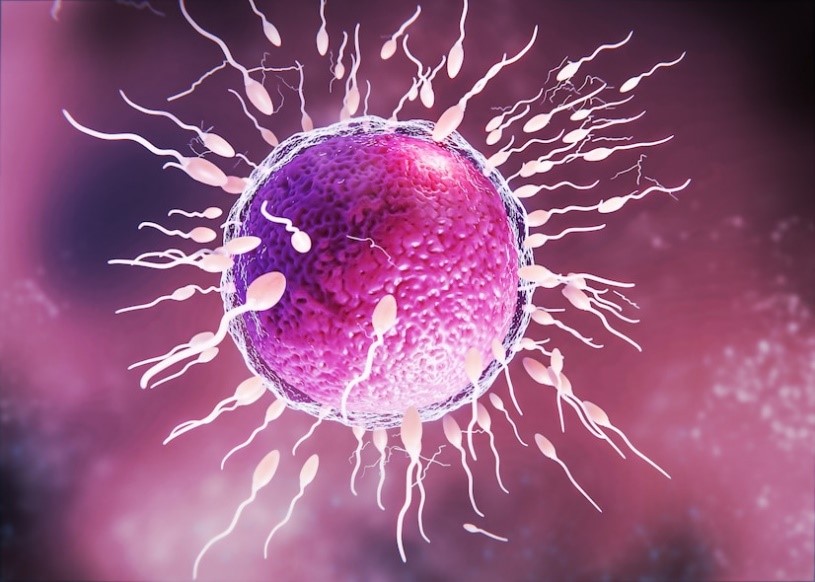 Infertility can be caused by a problem with one or more of these steps. The causes of infertility are analysed in 3 main groups:
1-Female-related causes
2-Male-related causes
3-Unexplained infertility: This describes the cases where the cause cannot be revealed by current research methods.
Today, the evaluation of infertile couples requires a team work. This team should include a gynaecologist and obstetrician competent in infertility, an urologist experienced in andrology, an embryologist and a geneticist.
-
Frequently Asked Question

-
How is the egg collection time determined?

The time of egg collection is determined according to the size of the eggs monitored by ultrasound and sometimes according to the hormone levels in the blood.
-
How is IVF performed step by step?
On the 2nd or 3rd day of menstruation, egg stimulating treatment is started. After about 10-12 days of medication, egg cells are collected under anaesthesia using transvaginal ultrasound (ovum pick-up). On the same day, healthy egg cells are fertilised with the man's sperm in the laboratory (IVF). The development of the fertilised embryos is monitored under a microscope every day. On day 5, one or two embryos of good quality are transferred into the uterus by a transcervical catheter (embryo transfer).
-
How much does IVF cost?
The cost of an IVF procedure is approximately 3250-3500 euros.
-
What is the probability of conception in the first IVF cycle?
The chances of pregnancy in the first IVF cycle in our centre is 55-60%, depending on the age of the patient.
-
Why might the first IVF cycle fail?
The failure rate for the first IVF cycle is 40-45 %. The most significant reasons for failure are poor embryo quality, thin endometrium and advanced maternal age (>38 years).
-
Does the success rate increase as the number of IVF cycles increases?
Yes, the success rate increases as the number of IVF cycles increases. The success rate is 55-60% in one IVF cycle. This rate increases to 80% after 3 IVF cycles.
-
How many times can IVF be tried?
In rare cases, IVF may be tried 8-9 times.
-
How much time should elapse between two IVF procedures?
IVF cycles cannot be performed 2 months in a row. It is necessary to take a break for at least one month.
-
How can I increase my chances of IVF success?
In order to increase the chances of IVF success, get rid of excess weight before treatment, quit bad habits (smoking, alcohol, substance abuse), eat a healthy diet and learn to manage stress, if any.
-
Can I get pregnant naturally after IVF?
Yes, it is possible to conceive naturally after IVF, albeit to a lesser extent. Couples who have conceived with IVF treatment, especially those diagnosed with unexplained infertility, polycystic ovary (PCOS), mild male factor and low ovarian reserve, can conceive naturally after IVF in later periods, if the tubes are open in the woman and if the man has sufficient sperm count.
-
Can I have direct IVF?
IVF treatment is applied when certain medical conditions are met. However, couples who cannot conceive despite unprotected intercourse can also undergo direct IVF.
-
What are the conditions in which IVF treatment cannot be applied?
IVF treatment cannot be applied in the presence of severe congenital anomalies of the uterus, active sexually transmitted diseases, diseases that prevent the woman from carrying pregnancy physically and mentally.
-
How many days does an IVF treatment last?
An IVF treatment lasts 21 days from the start of treatment.
-
How long do the injections last in IVF?
IVF injections last on average 10-12 days.
-
How is the time of egg collection determined?
The time of egg collection is determined according to the size of the eggs monitored by ultrasound and sometimes according to the hormone levels analysed in the blood.
-
How are eggs collected for IVF?
Under sedation anaesthesia, using transvaginal ultrasound guidance, the egg cells are aspirated one by one and sent to the embryology laboratory.
-
How many eggs are expected to be collected during the egg collection phase?
In women with intact ovarian reserve, an average of 10-12 eggs are collected.
-
Is IVF treatment painful?
Usually, IVF treatment is not a painful process. Depending on the number of eggs that develop, there may be some pain in the groins. Since egg collection is performed under anaesthesia, no pain is felt. Since the embryo transfer procedure is performed with a full bladder, it may cause a slight feeling of discomfort due to fullness in the lower abdomen. However, embryo transfer is absolutely painless.
-
Do your ovaries hurt during IVF?
During the egg enlargement treatment, you may feel a slight pain in the groin.
-
What is a blastocyst? What is the importance of the blastocyst?
Blastocysts are embryos that have reached day 5-6 of development. These embryos are preferred for transfer.
-
How many of the collected eggs can develop into blastocysts?
40-50% of the collected egg cells can develop into blastocytes.
-
What is the success rate of day 5 embryo transfer?
Day 5 embryo transfer has a 60% chance of pregnancy in women under 35 years of age.
-
Why is a day 5 embryo transfer preferred?
A day 5 embryo is a better quality embryo that has reached a more advanced stage of life. Therefore, the chance of pregnancy is higher with day 5 embryo transfer.
-
What is a good embryo?
A 'good quality' embryo is one in which there are 3-4 cells on the second day, 7-8 cells on the third day, the cells forming the embryo are equal in size and there are no empty spaces in the embryo.
-
Is IVF better? Or ICSI?
Today, ICSI (intracytoplasmic sperm injection) is preferred. The ICSI is also used in our centre.
-
What is the difference between IVF and ICSI?
In IVF, the collected eggs and sperm are placed in a tube in a laboratory environment and fertilisation is expected without intervention. In ICSI, selected healthy spermatozoa are injected into the egg cell by an embryologist.
-
Where is the embryo implanted?
The embryo is inserted into the uterus with a plastic catheter at a distance of 1.5 cm from the fundus of the uterus under transabdomnal ultrasound guidance with a full bladder.
-
What can I do to increase my chances of success after embryo transfer?
We recommend that the expectant mother rest for 3 days after the embryo transfer. Heavy exercise should be avoided until the pregnancy test is performed and sexual intercourse should be avoided for about 2 weeks.
-
How can the endometrium be made more receptive?
The endometrium can be made more receptive to pregnancy with the hormones estrogen and progesterone.
-
What are the signs of successful implantation?
Absence of bleeding and cramping pain after the transfer are signs of successful implantation.
-
How can I increase my chances of IVF implantation?
To increase the chances of IVF implantation, you should adopt a healthy lifestyle. That is, you should be of normal weight. You should adopt balanced and healthy eating habits. You should avoid stress and quit bad habits if you have any. You should rest in the clinic for 30-60 minutes after the embryo transfer. Then it continues to rest at home for 3 days. It is recommended to drink plenty of fluids. Avoid heavy sports and physical activities for one week and abstain from sexual intercourse for 2 weeks. Omega-3 rich and antioxidant foods should be consumed, alcohol and smoking should be avoided and the stress factor should be well managed.
-
When can I find out if I am pregnant with IVF?
With IVF, if embryo transfer is performed on day 5, a blood pregnancy test can be performed 9 days after the transfer, and if embryo transfer is performed on day 3, a blood pregnancy test can be performed on day 11 after the transfer.
-
How many days after the embryo transfer can I fly home?
You can return home one day after the embryo transfer.
-
Which medicines will I take after embryo transfer?
You should take progesterone-containing medicines until the 12th week of pregnancy, folic acid-containing medicines throughout the pregnancy and, if frozen embryo transfer has been performed, estrogen-containing medicines until the 7th week of pregnancy.
-
How long is progesterone treatment continued if pregnancy occurs with in vitro fertilisation?
If pregnancy occurs with IVF, progesterone hormone treatment is continued until the 12th week of pregnancy.
-
What is the probability of having twins with IVF?
The rate of twin pregnancy with IVF is 1% in single embryo transfer and 10% in two embryo transfer.
-
What are the risks in IVF treatment?
With current treatment protocols, IVF is not dangerous. Ovarian hyperstimulation syndrome (OHSS), which is used to be seen in patients with PCOS, is now almost never seen with the use of GnRH analogue instead of hCG for sudden LH rise and the postponement of fresh embryo transfer by freezing all embryos and the preference for frozen embryo transfer afterwards. In the early periods after egg retrieval, bleeding into the abdominal cavity may occur at a low rate and infection may develop within a few days. These conditions occur at a rate of one in a thousand.
-
How are embryos obtained in IVF preserved and monitored?
The embryos are placed in a special incubator and kept at 37 degrees Celsius. The development of the embryos is monitored daily with an embryoscope.
-
Can you perform embryo transfers one after another?
Frozen embryo transfers can be performed one after another.
-
Can you do egg freezing cycles one after another?
Egg freezing cycles cannot be performed one after another. A one-month break should be taken to allow the effects of the ovarian stimulating drugs to wear off in the ovaries.
-
Can ICSI be used with frozen eggs?
ICSI is performed fresh, that is frozen eggs are first thawed and then ICSI is performed.
-
Does the pregnancy rate decrease after frozen embryo transfer?
No, the pregnancy rate does not decrease after frozen embryo transfer. On the contrary, frozen embryo transfers performed in good IVF centres have a higher pregnancy rate than fresh transfers. Hormone medications used during IVF treatment may adversely affect the uterus in some patients. However, in frozen embryo transfer, the uterus is freed from the effects of these high hormone levels. Therefore, pregnancy rates are higher in frozen embryo transfers.
-
Under what conditions do you freeze any 'spare' embryos?
If the spare embryos are in good shape, have reached day 5 and are of good quality, they are frozen at the patient's request.
-
Do drugs used in IVF treatments cause cancer?
Scientific evidence to date suggests that the drugs used in infertility treatments do not increase the risk of cancer in women, including breast and uterine cancers. However, we recommend that women who have received hormone therapy have regular routine check-ups.
-
Is there an increased risk of disease in fetuses born during frozen embryo transfer pregnancies?
In the light of the data available to date, no increased risk of congenital anomalies or genetic diseases in fetuses has been detected in pregnancies obtained by frozen embryo transfer compared to fresh embryo pregnancies. Today, embryo freezing is used as a standard method in IVF to increase the chance of pregnancy.
-
Who is suitable for PRP in IVF treatment?
Suitable candidates for PRP in IVF are those:
who have previously failed IVF,
who have insufficiently thickened inner lining of the uterus (endometrium),
who do not have a very serious problem with her ovaries,
who are usually of advanced age and have a greatly reduced ovarian reserve,
who are entering menopause and aiming to restart ovarian function."
-
What is the success rate of PRP application for IVF?
Since the clinical application of PRP application is limited, it is difficult to talk about a general success rate. However, it is thought that PRP application brings an average of 60% success to IVF.
-
How long does the effect of PRP applied for IVF last?
The positive effect of PRP applications can be observed for 3-4 months. However, its long-term effect is not known exactly. Still, there is no harm in repeating PRP application several times.

